
When Honor Becomes Control: Women’s Lives inside Pakistan’s Patriarchal System While the methods of control differ across borders, the logic behind them remains strikingly similar. In Afghanistan, gender control is enforced through state power, law, and visible restriction. In Pakistan, it operates more quietly—inside homes, families, and communities—where social pressure often replaces official force. Here, control is not always written into law, but into tradition, reputation, and honor.
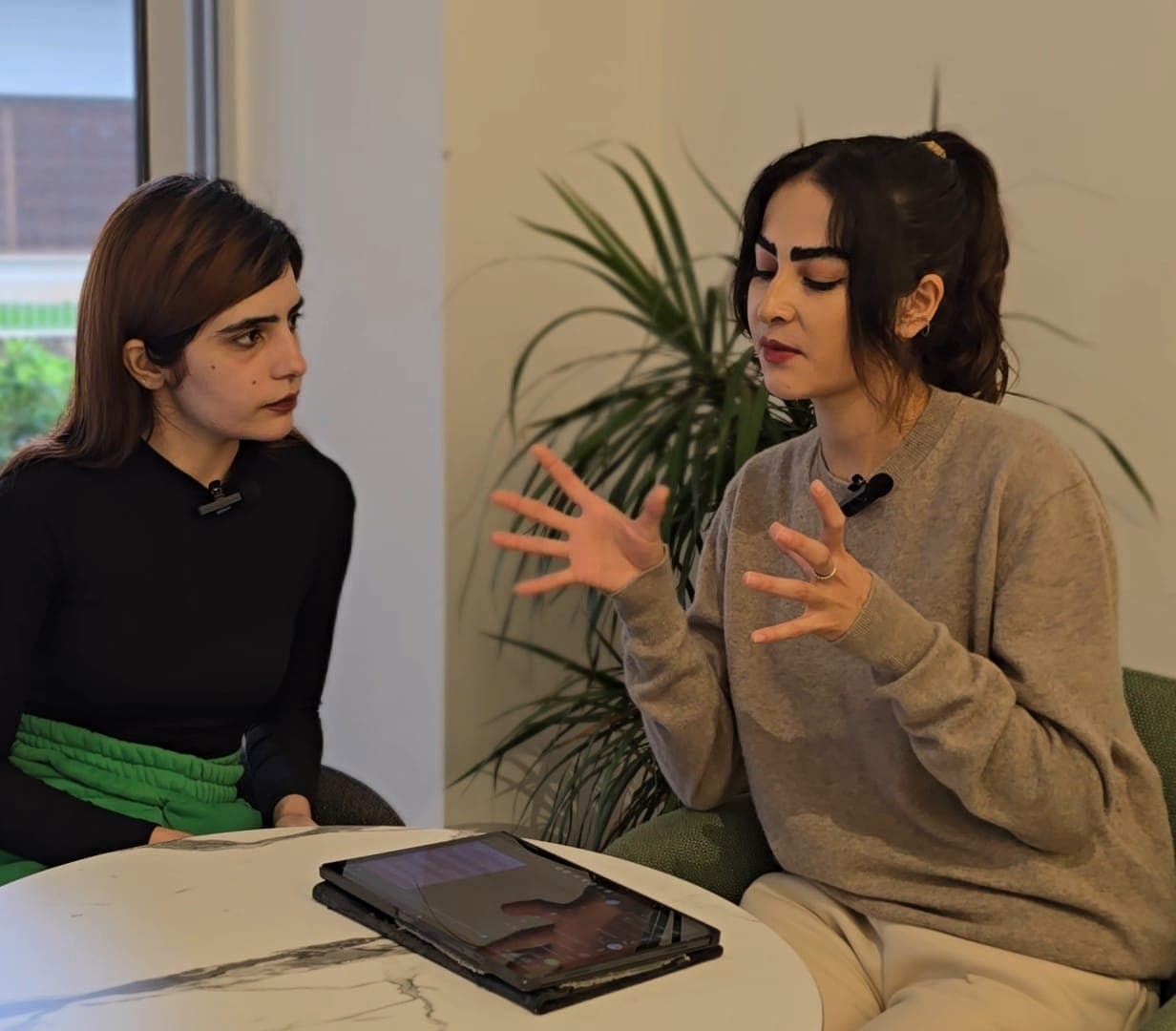
In Pakistan, honor is rarely an abstract idea. It is carried, guarded, feared—and often enforced—through women’s bodies. From an early age, girls learn that their actions do not belong only to them. A single step outside expectation can be interpreted as a threat to an entire family’s reputation. In this system, women are not treated as individuals; they are treated as symbols. Laiba Amir grew up inside this reality. She learned early that in many families, a woman’s life is measured not by her safety or happiness, but by how quietly she fits into the social mold designed for her. “Families think reputation lives inside women,” she explains. “One woman becomes the honor of the whole family. That’s why they see women as their property.” This belief shapes everyday decisions. Fear of neighbors, relatives, and community judgment often weighs heavier than fear for a woman’s life. When families believe that one woman’s behavior can bring shame, violence becomes framed as protection. In some households, killing a woman is considered less shameful than allowing her to be seen as disobedient. Honor killings do not emerge suddenly. They grow inside silence. Many women do not speak out about threats or abuse because they are taught that involving police or authorities would bring “dishonor” to the family. Keeping violence private is often considered more respectable than seeking justice. This silence allows harm to repeat itself—inside homes, behind closed doors, and across generations. From childhood, boys and girls are trained differently. Men are raised as protectors and decision-makers; women are raised to obey. Over time, authority becomes naturalized. Men grow up believing leadership belongs to them. Women grow up believing their choices require permission. “Laiba explains that men are taught from birth that they own responsibility—and control—over the family. Women are not seen as independent individuals. They don’t have choices of their own.” Education becomes one of the first battlegrounds in this system. Many girls are stopped from pursuing higher education, not because they lack ability, but because education leads to independence. Families fear that an educated woman will speak, question, and resist. In many cases, girls are married as early as 14 or 15. Marriage, children, and domestic labor replace schooling. The system works efficiently: early marriage limits exposure, education limits obedience, and obedience maintains control. Community leaders often reinforce these roles. Gender expectations are repeated in families, mosques, schools, and neighborhoods. Even the birth of a boy is celebrated differently than the birth of a girl—another quiet lesson about value. Patriarchy makes honor killing socially tolerable by ranking reputation above women’s lives. In this logic, death becomes a form of correction. Survival becomes conditional. Despite this environment, Laiba’s family chose a different path. Her father supported her education, even when neighbors questioned him. People asked why he was “wasting money” on a daughter who would eventually marry. His answer was simple: “All my children are equal.” That support changed Laiba’s life—but it did not erase the dangers around her.
One of her earliest memories of violence comes from childhood. While playing outside with a friend, a man on a motorbike stopped in front of them and exposed himself. The girls were too young to understand what was happening. Moments later, the man tried to grab Laiba. Her aunt intervened and pulled her away. “He was trying to take me,” Laiba recalls. “And no one stopped him.” Such incidents are often normalized. Harassment in public spaces is common, verbal abuse is constant, and retaliation against women who speak back can be severe. Acid attacks, threats, and public violence serve as warnings to others. Many girls internalize fear. Some are blackmailed by men using photos or messages. When families discover this, they often blame the girl rather than the abuser. In these situations, some women see suicide as the only escape—believing it is better than being killed by their family in the name of honor. These cases are more frequent in rural areas, where education is limited and patriarchal beliefs remain deeply rooted. There, honor killing is sometimes openly justified, and perpetrators face little to no punishment. Laiba’s understanding of danger became personal when her best friend was killed. They were school friends. One day, her friend did not come to class. Later, the teacher told them she had died. As a child, Laiba did not understand what had happened. Over time, she learned the truth: her friend had been raped by her uncle and murdered in his shop. “When I saw her picture, I was broken,” Laiba says. “Her face was full of bruises.” The family declared it a natural death. The uncle was never punished. Justice was sacrificed to protect a man—and preserve family reputation.

That moment reshaped Laiba’s understanding of safety. “You realize you are not safe even with relatives,” she says. “You cannot trust anyone except your parents.” Today, Laiba lives independently in Cyprus. There, she feels safe walking home late at night, working freely, existing without fear. But when she returns to Pakistan, her parents restrict her movements—not out of control, but out of fear. “They tell me: at night, you don’t go out,” she explains. “Because people out there are not even human.” The contrast is painful. In one place, freedom feels ordinary. In another, survival requires constant vigilance. Laiba believes women should be educated not only academically, but socially—about their rights, their autonomy, and their worth. But she is clear: education should not be focused only on women. Men must also be taught to unlearn dominance, to respect equality, and to understand that control is not protection. “Women are taught how to behave,” she says. “Men are not taught how not to harm.” In a system where laws exist but are not enforced, justice often depends on class, power, and money. For women without protection or wealth, the system rarely works. Despite everything, Laiba sees hope in younger generations. More women are speaking, resisting, and questioning traditions that harm them. The challenge is dangerous—but silence is no longer acceptable. “I believe women must know they are more than homemakers,” she says. “That’s how the cycle breaks.” This story is not only about Pakistan. It is about how systems of gender control operate—quietly, persistently, and violently—by turning women into carriers of honor rather than holders of rights. And it is about what happens when women refuse to carry that burden anymore.