Afganistan•
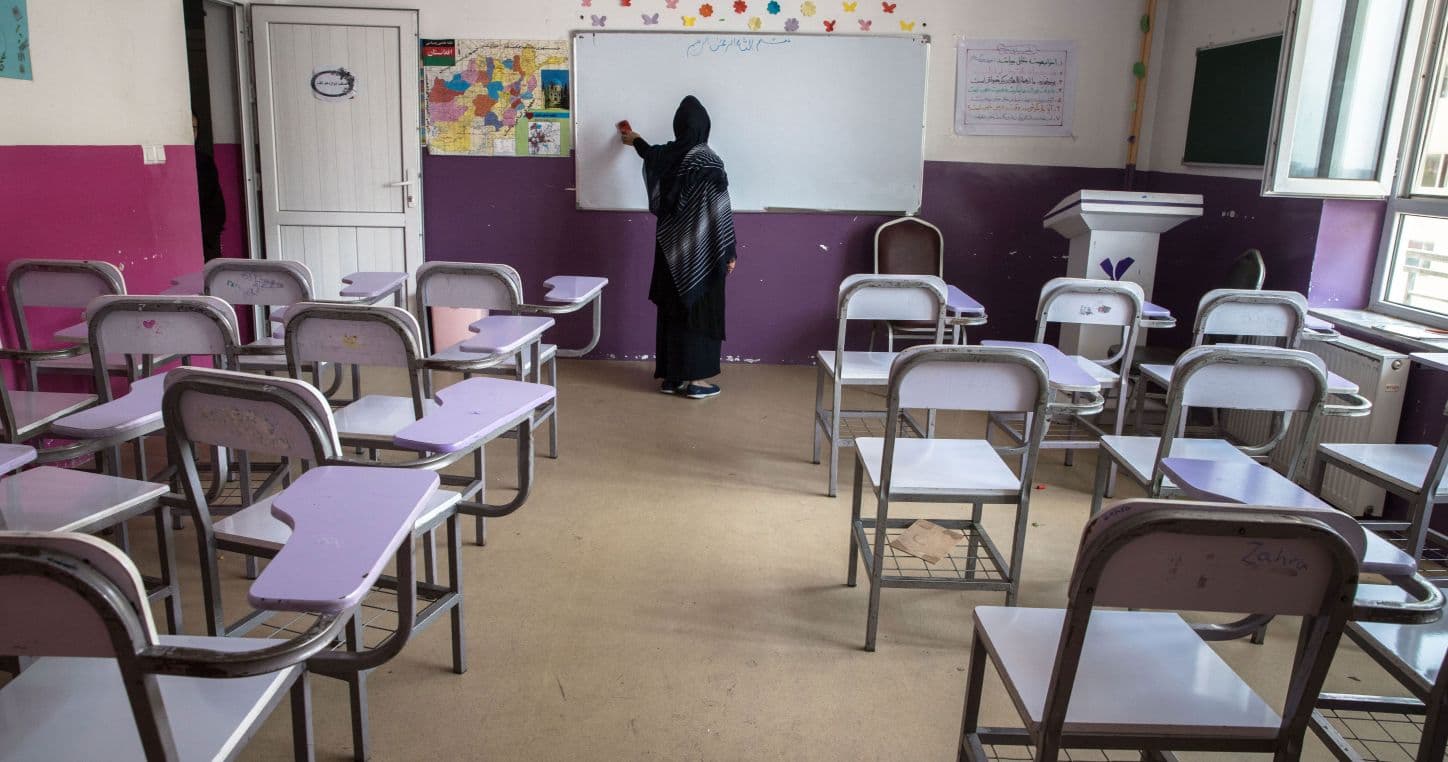
When Education Became Conditional for Women
Patriarchy, Roya says, did not begin with the Taliban. It existed long before, layered into everyday life. But after the Taliban, it became heavier—more visible, more forceful.

Stories from Afghanistan, Pakistan & Iran
Patriarchy, Roya says, did not begin with the Taliban. It existed long before, layered into everyday life. But after the Taliban, it became heavier—more visible, more forceful.
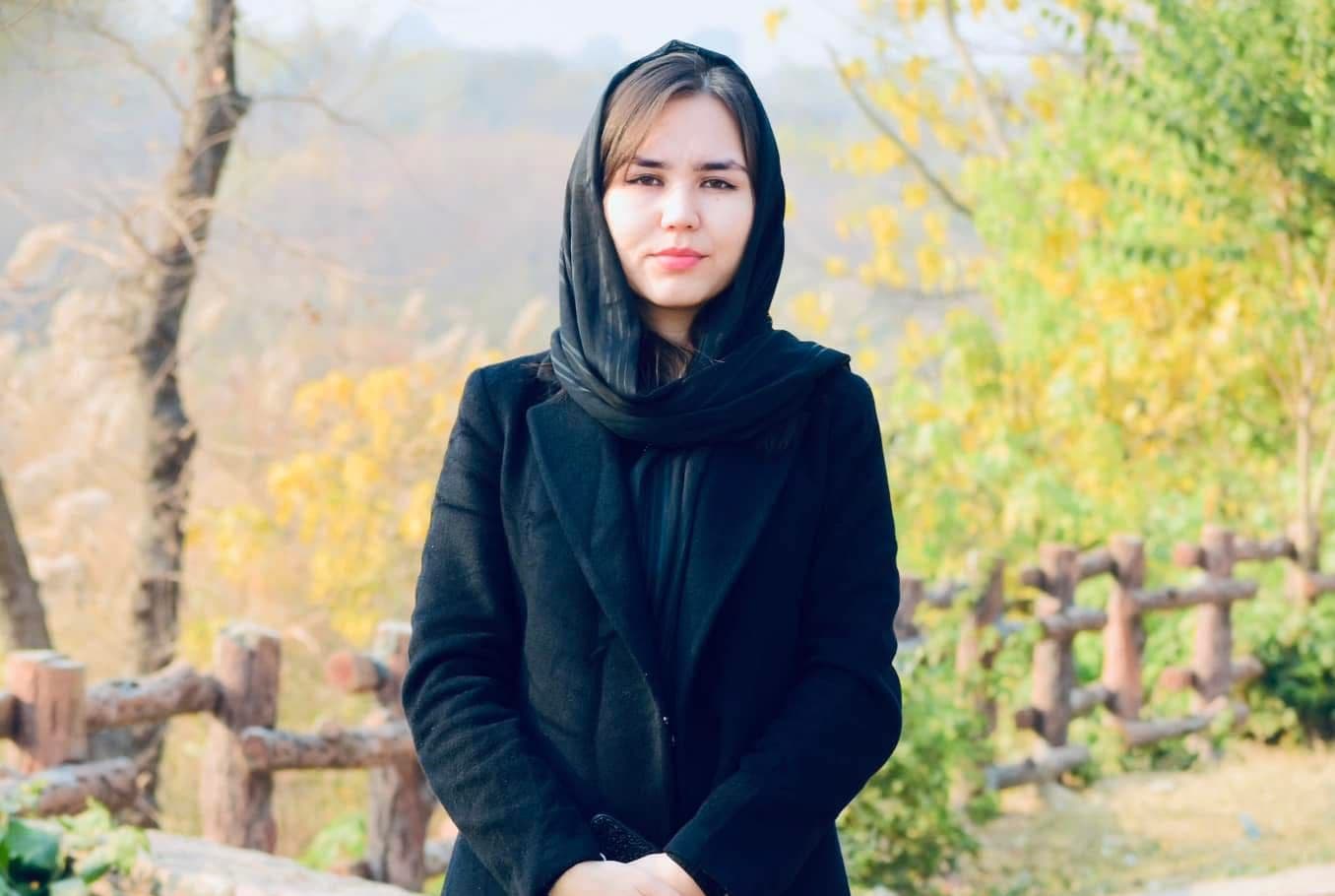
For forty-two days, Parisa was imprisoned. She was interrogated repeatedly, day and night. She was denied proper food and rest. She was treated as a criminal — accused of being funded by politicians, supported by men, directed by foreign interests. Each question assumed that a woman could not act independently.
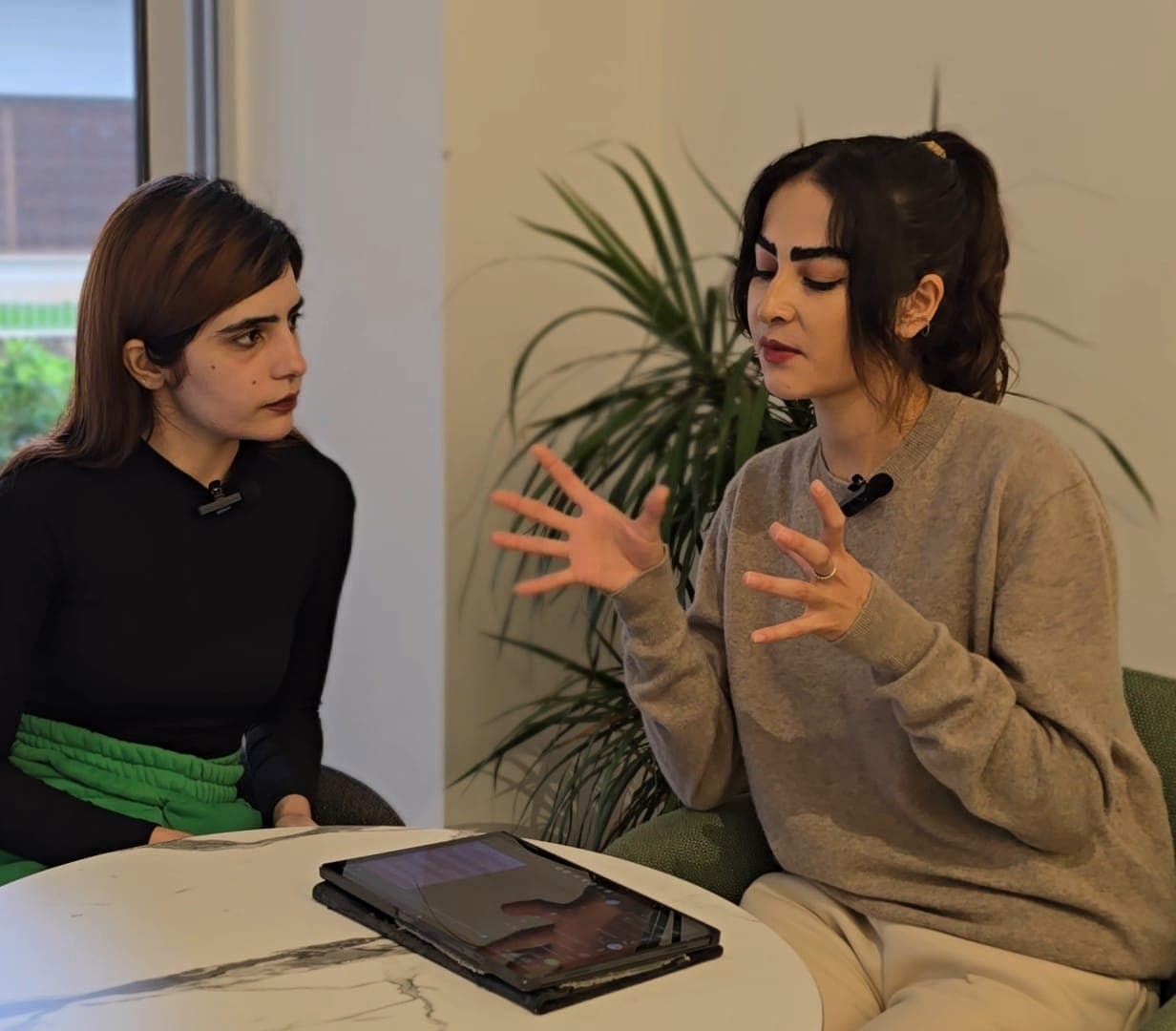
Laiba’s understanding of danger became personal when her best friend was killed. They were school friends. One day, her friend did not come to class. Later, the teacher told them she had died. As a child, Laiba did not understand what had happened.
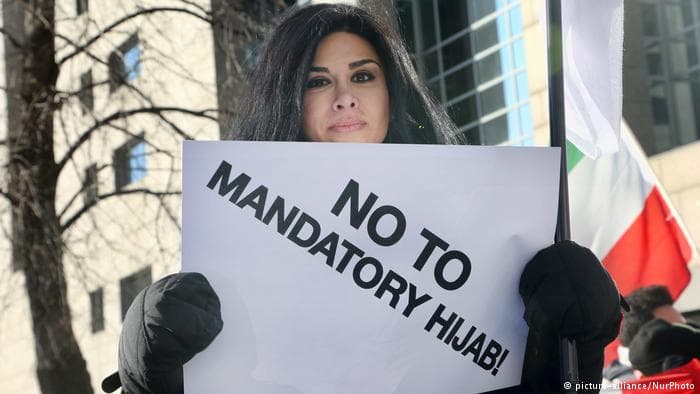
At some point, Negah made a decision. Not because she felt brave, but because she felt tired. “I realized that following the rules didn’t keep me safe,” she says. “And I was afraid of losing myself.” The fear was real, but the need to resist was stronger.
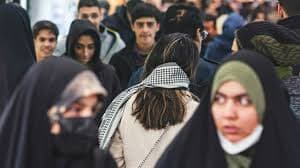
Mahsan remembers how fear increased after she was summoned to a disciplinary committee for not fully complying with hijab rules. A warning from the head of security followed. “The stress didn’t come only from the law,” she explains, “but from not knowing what might happen next.”
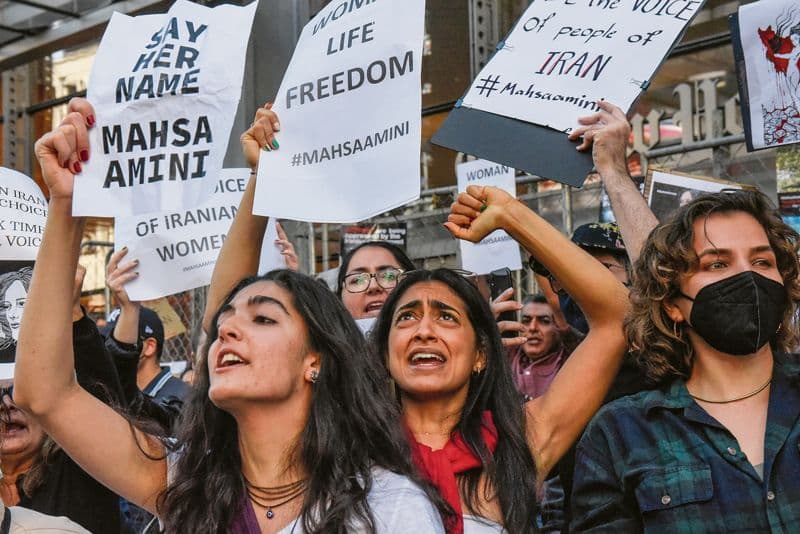
Zarin remembers how the women’s movement began after the death of Mahsa Amini (Zhina). What started as grief turned into resistance. The slogan Women, Life, Freedom became a symbol of opposition to compulsory hijab and the Islamic regime. For Zarin, it felt like a moment of possible change.