
Parisa Azada’s civic life began long before Afghanistan’s political collapse. In 2018, at the age of eighteen, she joined her first demonstration. At the time, activism did not feel like an act of survival; it was part of becoming an adult, of entering society. She was studying, attending university, participating in public discussions, and slowly finding her place in the city. Life felt open. The future felt negotiable.
She describes those years as ordinary, structured, and hopeful. She was newly present in public space — learning how institutions worked, how protests were organized, how voices could matter. Her activism existed alongside her education and daily life, not in opposition to it. There was risk, but not terror. There were limits, but not total closure.
That life ended abruptly on August 15, 2021.
On the day Kabul fell, Parisa was living in a dormitory. News moved faster than understanding. Within hours, everything familiar became unsafe. She packed what she could carry and left immediately, returning home through streets filled with confusion. People were running, crying, arguing, trying to escape or hide. Fear moved faster than information.
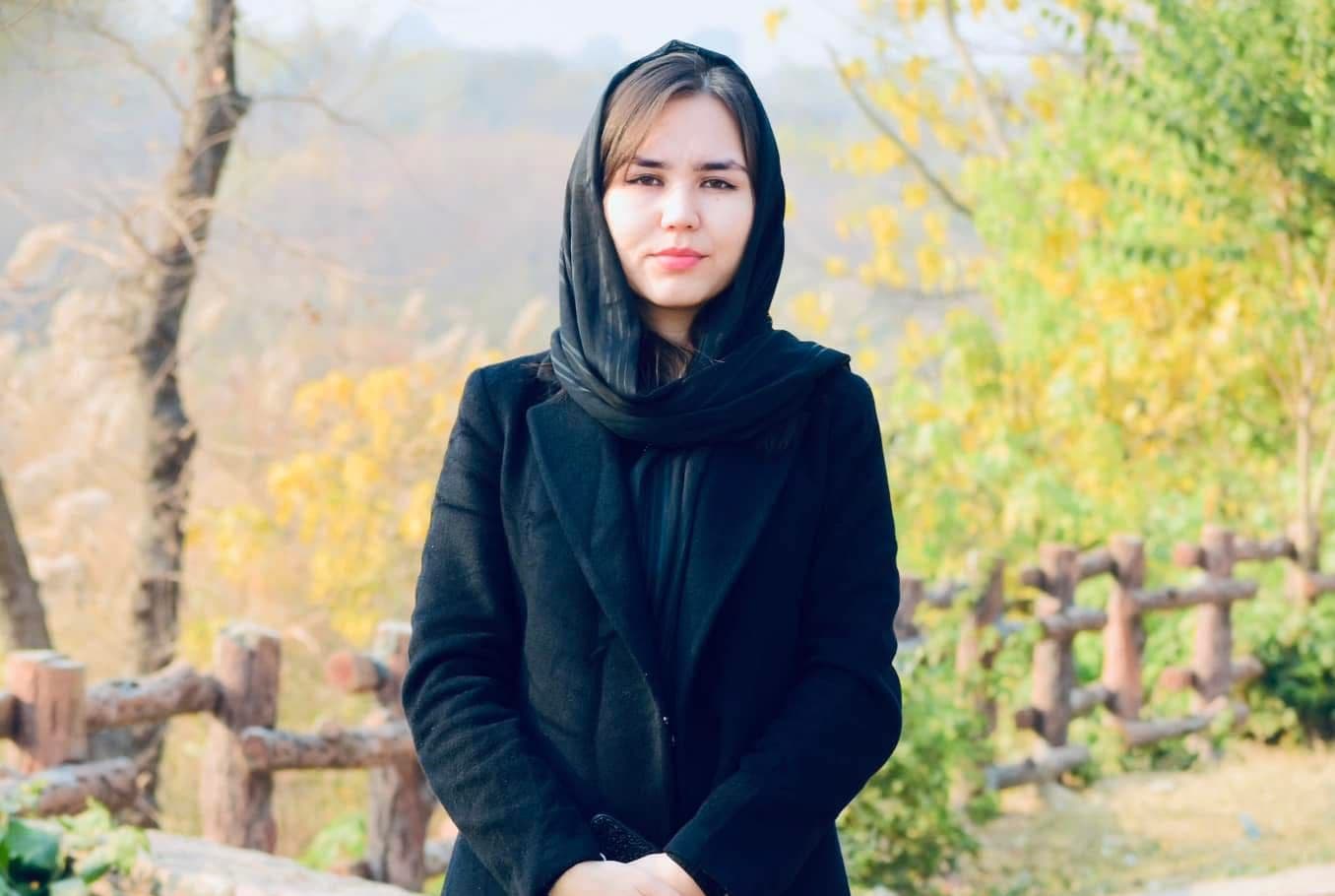
That journey home marked the beginning of a different reality — one in which being a woman in public space became a liability. For nearly a week after the takeover, Parisa remained indoors. Her family did not allow her to leave. Rumors spread rapidly: that girls were being taken by force, that women were being married against their will, that activists were being targeted. Families with daughters reacted instinctively — restricting movement, enforcing silence, prioritizing survival. Gender control tightened not only through armed authority, but inside homes. Public space disappeared for women almost overnight. When the Taliban announced their interim cabinet — composed entirely of men from a single ethnic group — Parisa and other women felt that silence was being formally legalized. Their response was not ideological at first; it was civic. They asked basic questions: Where are women? Where is representation? Who decides our future? On September 8, 2021, women gathered spontaneously in protest. They came from different provinces, ethnicities, and age groups. There was no organization, no formal leadership — only urgency. For Parisa, this moment marked a return to visibility, despite fear. The demonstrations became a space where women reclaimed their presence, even temporarily. Soon, they realized spontaneity was not enough. To continue, they needed coordination, names, strategies. On the night before their first organized protest, they gathered in a private home. They discussed slogans, routes, and messages. Print shops refused to print banners, afraid of consequences. So Parisa stayed awake all night, writing slogans by hand, preparing posters until morning. Her role expanded quietly. She worked behind the scenes — writing messages, organizing materials, coordinating media coverage, documenting protests. She provided photos and information to journalists and women’s rights platforms. Protest became labor — unpaid, exhausting, dangerous labor — carried largely by women. With visibility came backlash.
Her answers remained the same: she acted alone. The torture was both physical and psychological. She was beaten, humiliated, and isolated. For two days, she was suspended against a wall with her hands tied above her head, her feet unable to reach the ground. The strain injured her neck and spine permanently. Repeated blows to her ear damaged her hearing and vision. Even now, years later, the pain persists.

She says she eventually stopped distinguishing between physical and mental pain, both became constant. Before her release, she was forced to record multiple confession videos. She memorized statements and repeated them on camera. One recording was intended to prevent her family from claiming abuse. At the time, she was severely ill, suffering from pneumonia, struggling to breathe. Still, she was forced to comply. Her release came through pressure, not justice. Women’s rights activists, media attention, and family intervention played a role. Her mother sold household carpets to raise money. Her freedom came at the cost of family security. Returning home was not relief. In a deeply traditional society, detention carries stigma. Support from male relatives was hesitant, complicated, and incomplete. Recovery was slow. For months, Parisa remained in Kabul, undergoing physiotherapy at home, unable to move freely, constantly afraid.
