
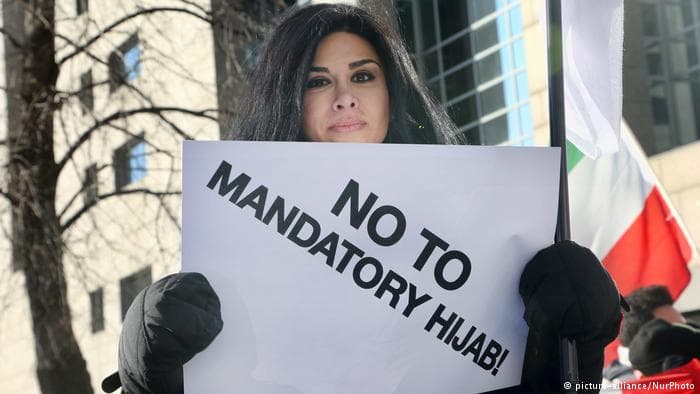
Just Being There Was Enough During the days Iranian women protested compulsory hijab, fear shaped everyday life. This is the story of Negah—and what her experience reveals. When I asked her to describe a normal day during the protests, she didn’t talk about plans or routines. She talked about fear. “Before leaving the house, I didn’t think about where I was going,” she says. “I thought about whether I would be safe.” That fear came first, and everything else followed. The streets were tense, and even a short walk felt risky. By night, the exhaustion was not physical—it was mental. Because fear followed her outside, it also changed how she dressed. Clothing was no longer a personal choice. It became a way to survive. “If something wasn’t right,” she explains, “it could lead to serious consequences.” What she wore shaped how others looked at her—and how dangerous the day could become. Over time, this pressure limited her movement. Many days, she chose not to leave home at all. Other days, she changed her route or avoided certain streets. “Sometimes I stayed home just because of how I looked,” she tells me. Slowly, her world became smaller. When she did go out, public spaces were the hardest. The streets carried the most tension. Even places that once felt safe had changed. “The university didn’t feel safe anymore,” she says. Spaces meant for learning became spaces of control. What made those days different was the reality of danger. This was no longer about warnings or reminders. “The threat was real,” she says. Arrest and prison were no longer distant ideas—they were part of daily life. Even when people stayed silent, everyone understood the risk. Living under this constant pressure created a deep sense of insecurity. She describes feeling as if her body itself was a problem. “It felt like my presence could be a crime,” she says. Fear did not pass with time. It settled into everyday life. Because of this, silence became a way to survive. So did adapting and trying not to be noticed. “These weren’t choices,” she says. “They were ways to stay safe.” Her body stayed tense, always alert to looks, movements, and the presence of security forces. This constant fear had an emotional cost. Anger and worthlessness existed together. “It was like I had to explain why I exist,” she says. Even doing nothing felt dangerous. Simply being there was enough. Home did not fully protect her. News of arrests and violence entered through phones and conversations. Fear crossed the line between public space and private life.
At some point, Negah made a decision. Not because she felt brave, but because she felt tired. “I realized that following the rules didn’t keep me safe,” she says. “And I was afraid of losing myself.” The fear was real, but the need to resist was stronger. The impact of those days remains. Anxiety became constant. Sleep was broken. Focus disappeared. Relationships became quieter and more careful. What helped her continue knew she was not alone. “This was happening to many women,” she says. “It wasn’t just me.” That shared experience became a quiet source of strength. Her hope is simple: that clothing will no longer be used as a tool of control. That public space will be safe without conditions. That the same cycle of fear will not repeat. During those days, compulsory hijab was enforced in its harshest form. Appearing in public without it could lead to arrest, imprisonment, or serious harm. These threats were not rumors. They were lived realities—shaping daily life for Iranian women in lasting ways. Her name has been changed for safety.