
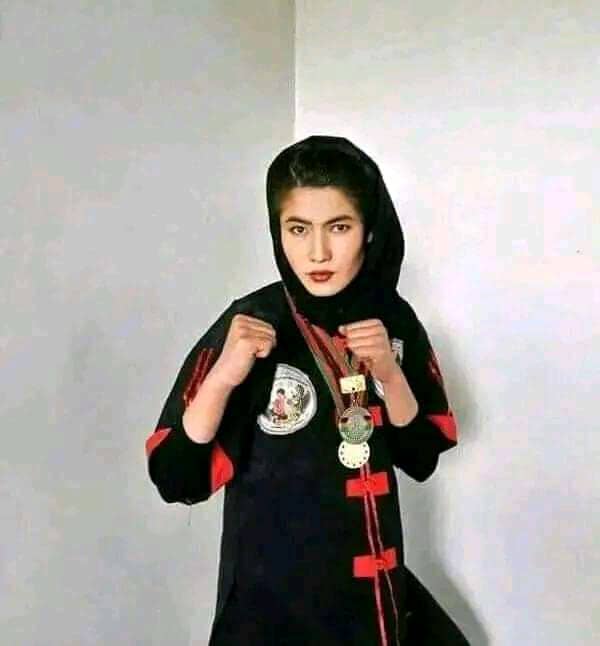
An Athlete in a Country That Forbids Women’s Strength Qadria Rezaie was already an athlete when the Taliban announced their cabinet in September 2021. Not a single woman was included. For Qadria, the absence was not symbolic. It was a warning. Along with other women from the west of Kabul, she stepped into the streets to ask for justice and women’s rights. What they faced instead was violence. The demonstration did not end in dialogue. It ended in rape, murder, detention, and fear. She remembers standing in the front line with other girls. They were afraid. They knew who the Taliban were. Fear did not disappear—but they stood anyway.
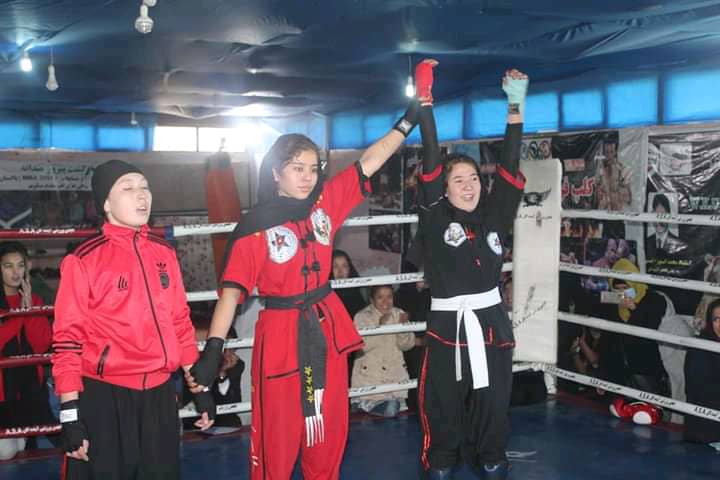
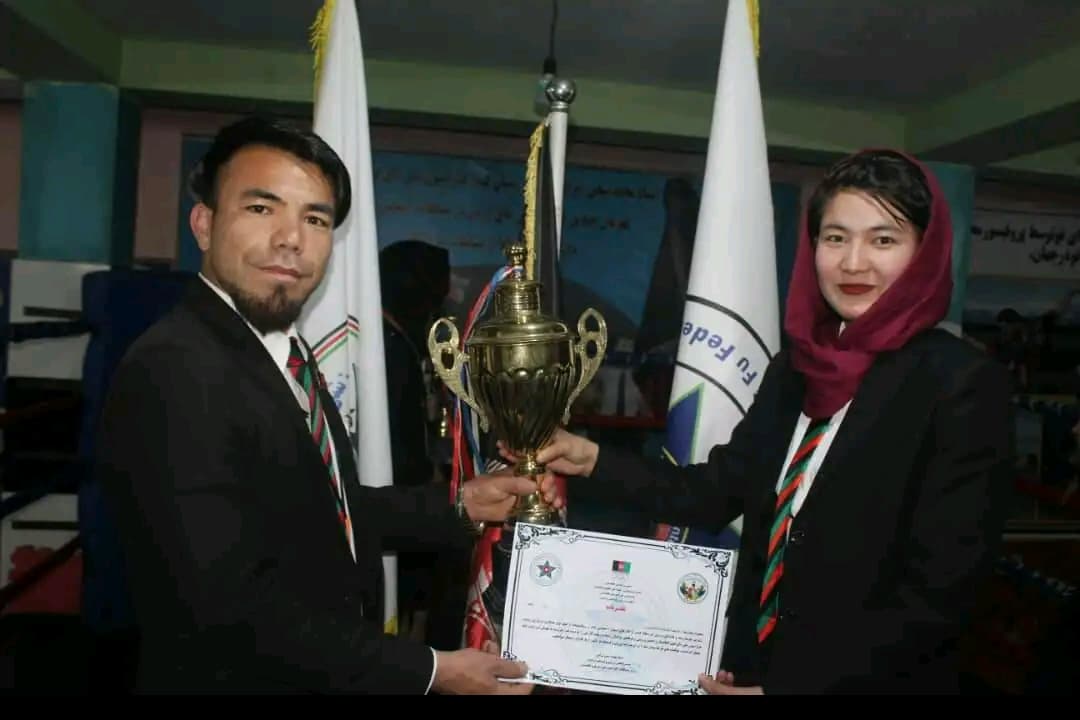
As the group moved from west to east Kabul, Taliban vehicles approached. Armed men separated the protesters, cutting the crowd into fragments. Guns replaced voices. The protest was forced to end. For Qadria, resistance did not begin that day. It had started years earlier, when she chose her body as a site of strength. She began practicing Daifu martial arts at sixteen. She trained intensely, driven by discipline and desire. Over time, she became one of the best. She earned a gold medal and a silver medal. She was selected to compete in Uzbekistan. She never made it there. After the Taliban takeover, women were banned from sports. Stadiums closed. Training spaces disappeared. Qadria refused to stop. She and fourteen others began practicing underground, meeting in secret spaces, training quietly. One day, the Taliban found them. One of the girls was bitten and injured in front of the group. Then she was beaten until she began bleeding from the head. A Taliban soldier threatened them: if they practiced sports again, they would be imprisoned and raped.
After that, Qadria stayed home. She enrolled in a language center. She opened an underground school, telling herself that whatever she knew, she would share. She taught women and girls who were illiterate, who could not afford school fees, which had missed years of education. Some came from rural areas. Some had escaped forced marriages. Some had no access to education because of Taliban restrictions. Many were struggling financially. For two and a half months, the school survived quietly. Then the Taliban discovered it.
The day they arrived, it was snowing. The girls did not even have time to put on their shoes. They ran out into the cold, barefoot, afraid of arrest. Qadria worried not only about herself, but about her students—their safety, their future, their survival. Teaching became dangerous. Learning became illegal. For four years now, Qadria says, Afghan women have faced murder, rape, humiliation, and harassment whenever they raise their voices. She does not speak with disbelief. She speaks with exhaustion. She does not ask the United Nations for help anymore. Instead, she speaks to the people of Afghanistan. She asks them to stand together—beyond ethnicity, religion, or difference. To become, in her words, “a united fist.” To refuse division. To refuse silence. To refuse normalization. Her message to Afghan women is hopeful. She calls them the real heroes of these years. She asks them not to stop demanding justice. She believes that darkness is not permanent. “Taliban will leave,” she says. “And we will breathe in Kabul again.”