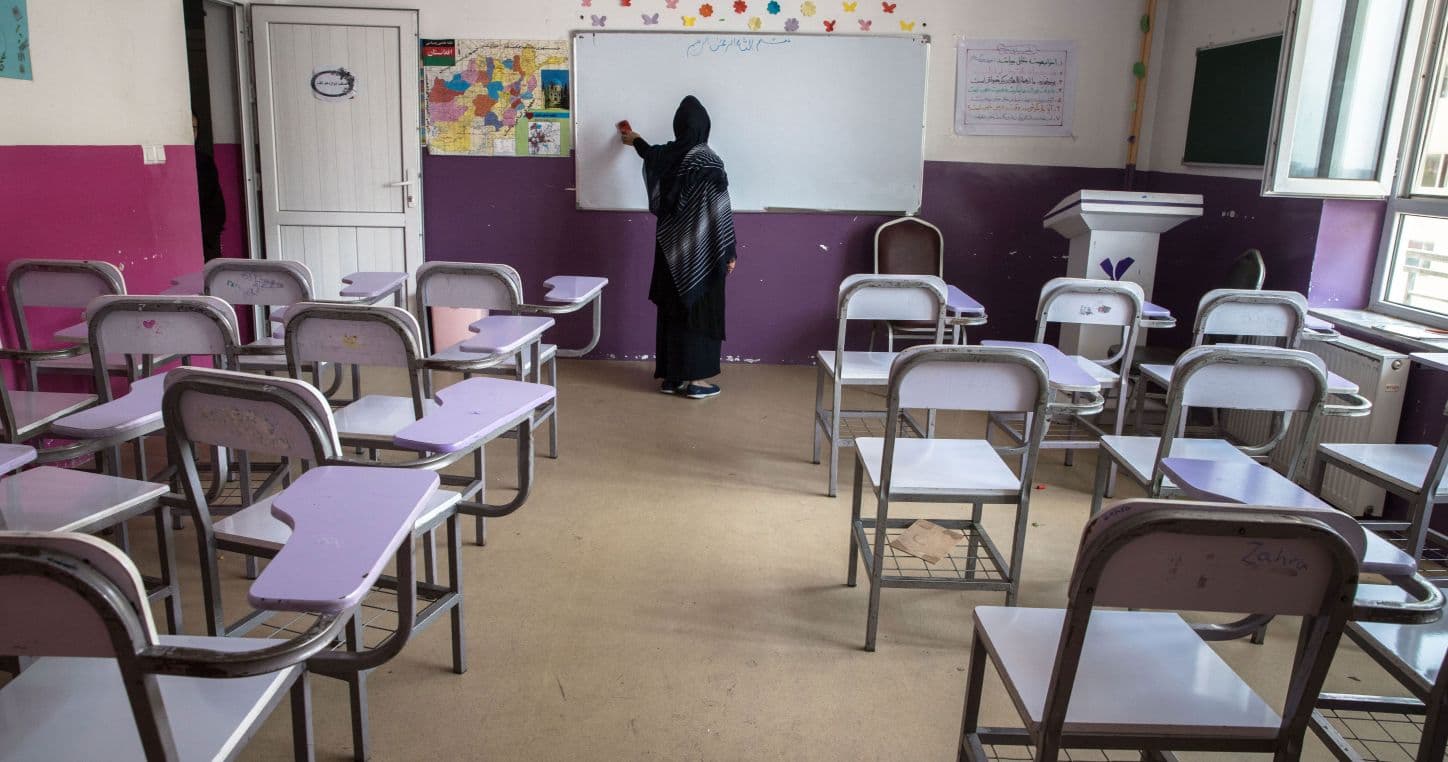
Afganistan•
When Education Became Conditional for Women
Patriarchy, Roya says, did not begin with the Taliban. It existed long before, layered into everyday life. But after the Taliban, it became heavier—more visible, more forceful.

Patriarchy, Roya says, did not begin with the Taliban. It existed long before, layered into everyday life. But after the Taliban, it became heavier—more visible, more forceful.
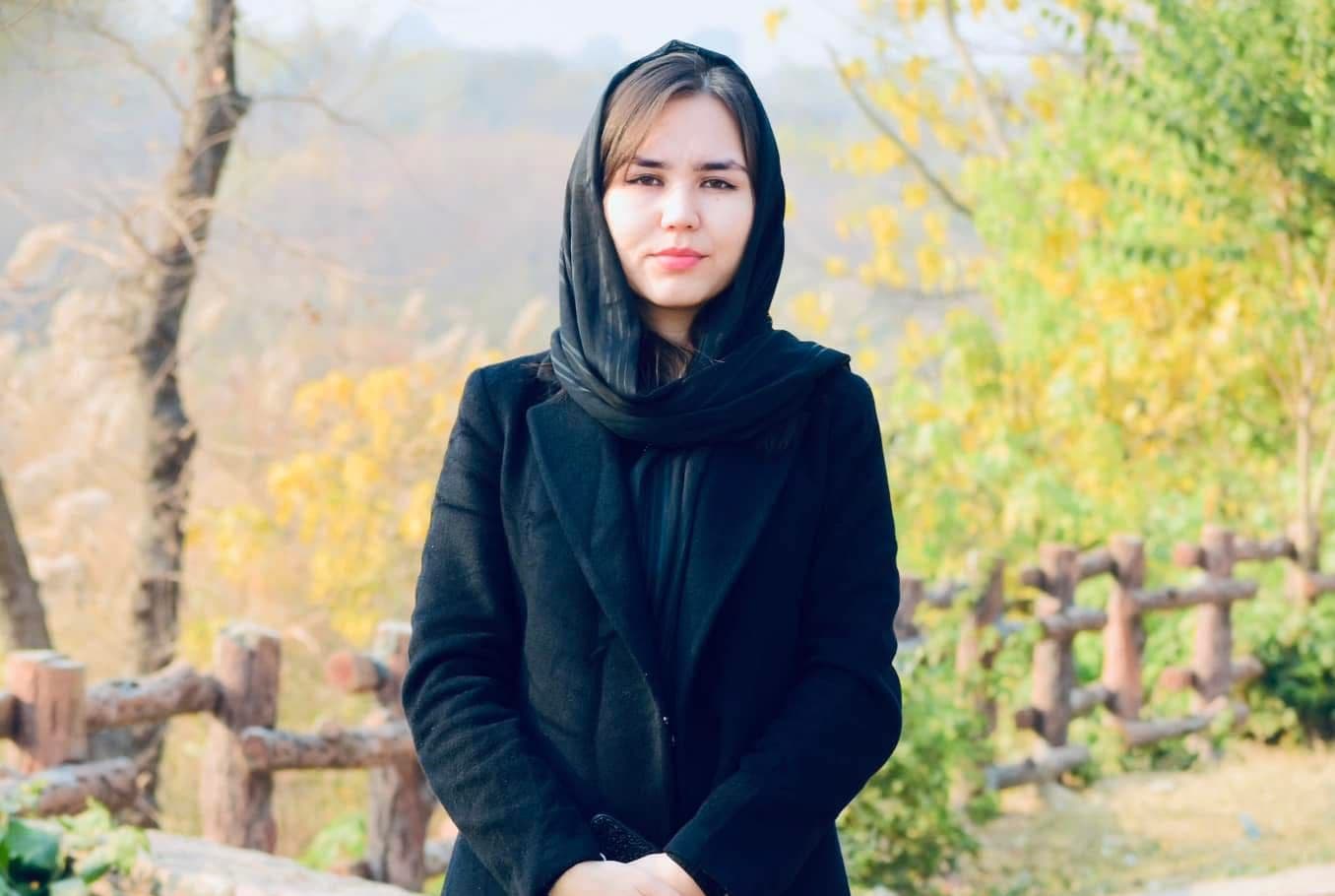
For forty-two days, Parisa was imprisoned. She was interrogated repeatedly, day and night. She was denied proper food and rest. She was treated as a criminal — accused of being funded by politicians, supported by men, directed by foreign interests. Each question assumed that a woman could not act independently.
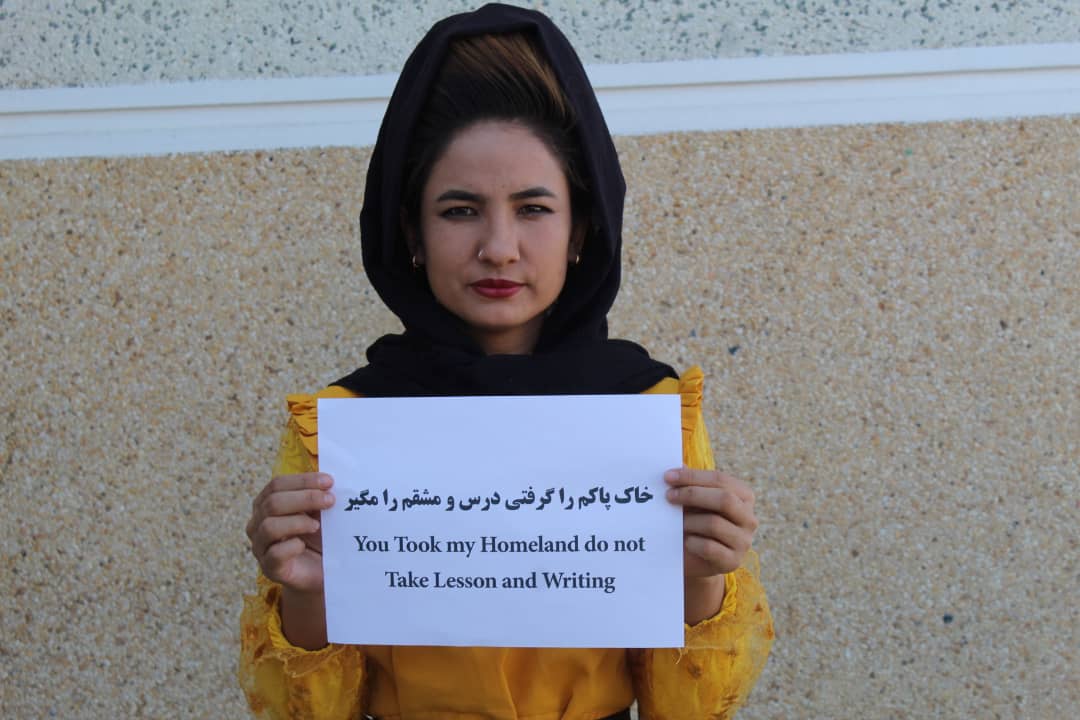
In a country where women’s presence is constantly negotiated, the café itself was enough to disrupt the order. Women working. Women earning. Women being seen.
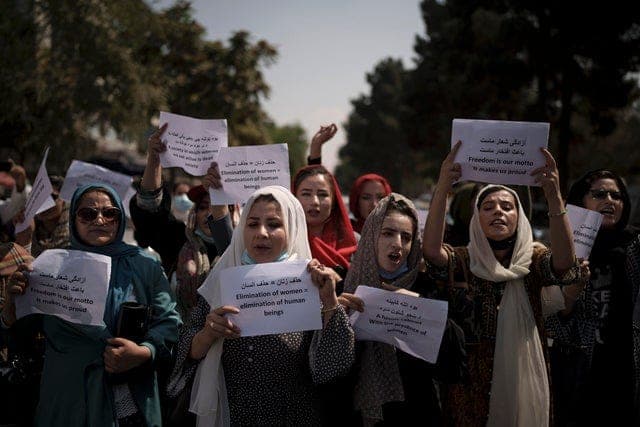
She rushed through the streets, searching for a bus. None were running. Taxis were scarce. People were leaving, running, disappearing.
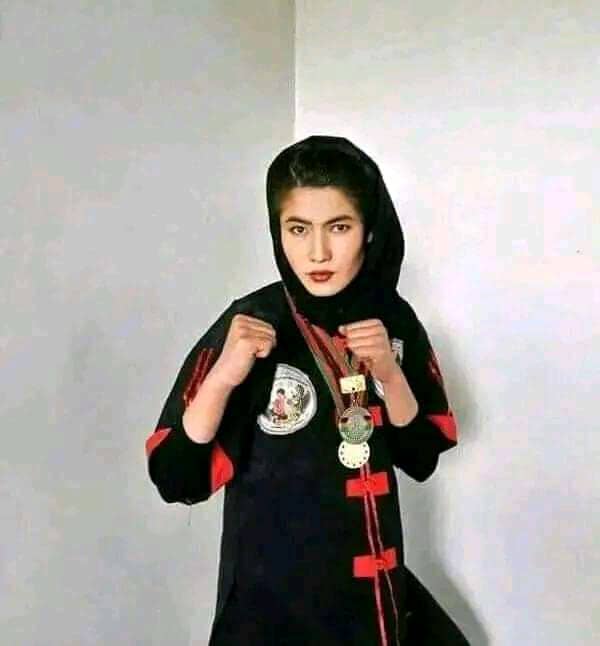
After the Taliban takeover, women were banned from sports. Stadiums closed. Training spaces disappeared. But Qadria refused to stop.
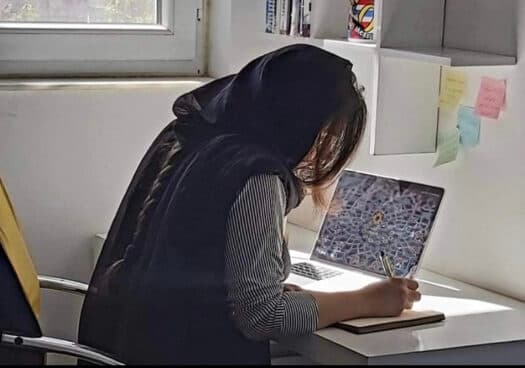
When Husnia realized that universities were closed to girls, she experienced a deep feeling of hopelessness. She says that in that moment, the entire path she had traveled until then flashed before her eyes.